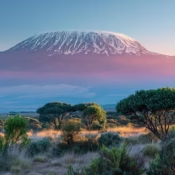
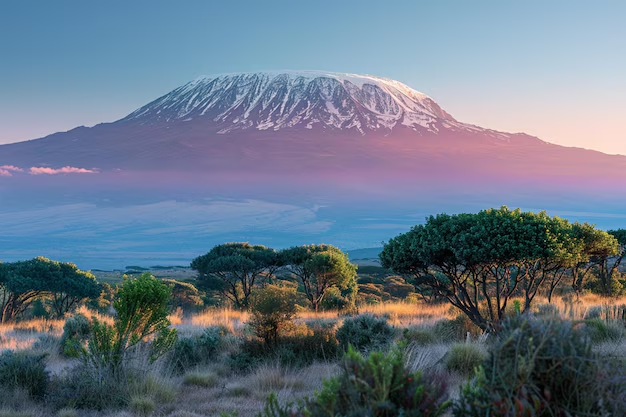
At 5,895 meters, Mount Kilimanjaro is the tallest freestanding mountain in the world and Africa’s highest peak — and remarkably, you don’t need technical climbing experience to reach its summit. What you do need is the right route, the right preparation, and a good acclimatization plan.
Choosing your route
Not all routes up Kilimanjaro are equal:
- Marangu Route – Known as the “Coca-Cola Route,” it’s the most popular and the only route with hut accommodation, making it comfortable for beginners.
- Machame Route – Scenic and popular, often called the “Whiskey Route” for its steeper challenge.
- Rongai Route – Approaches from the quieter north side, ideal if you want fewer crowds.
- Lemosho / Londorosi Route – Longer and more gradual, giving your body extra time to acclimatize often cited as having one of the highest summit success rates.
The altitude factor
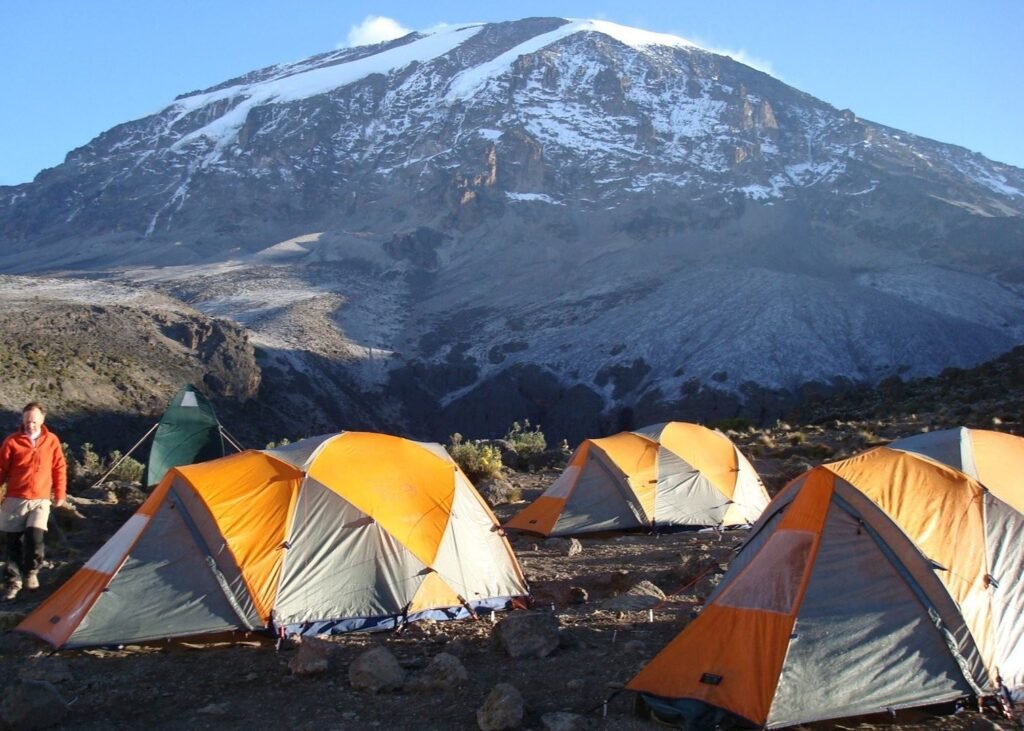
More than fitness, altitude is what determines whether you summit. Routes of 7 days or longer give your body time to adjust, dramatically improving your odds and your enjoyment of the climb. Rushing a 5-day ascent to save money often costs climbers the summit itself.
What to pack
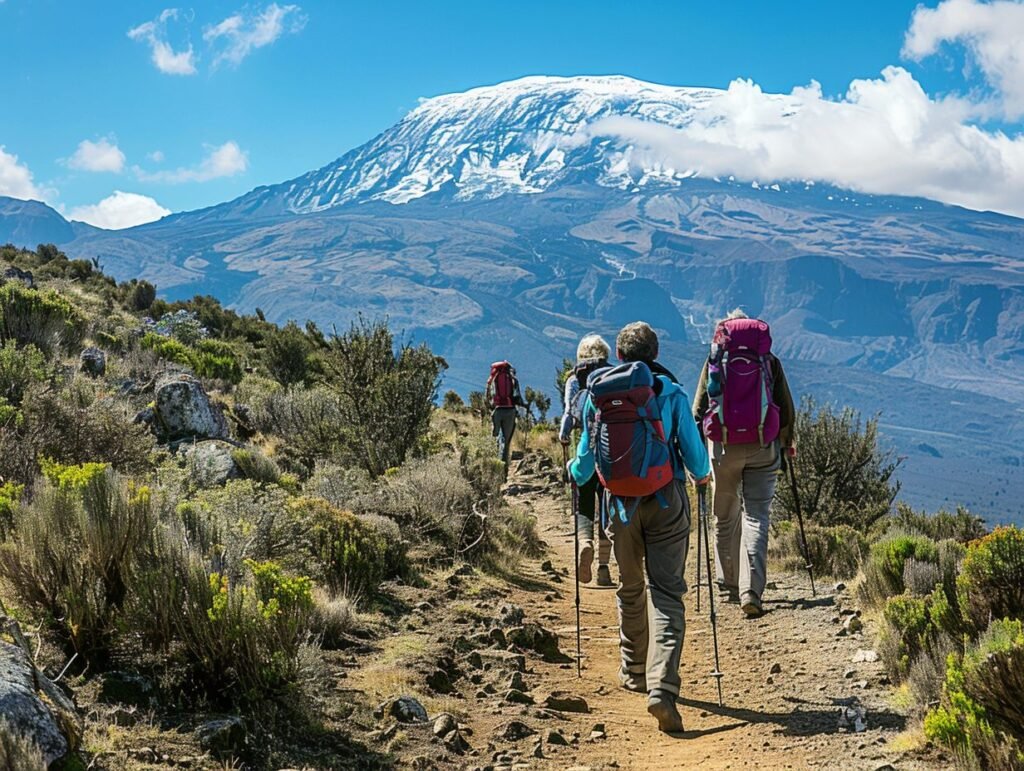
Layers are everything on Kilimanjaro you’ll pass through five distinct climate zones, from rainforest to arctic summit conditions. A good guide company will provide a full packing checklist, but investing in proper boots and a quality sleeping bag rated for sub-zero temperatures is non-negotiable.
Why go with local guides
Kilimanjaro isn’t just a physical challenge it’s a cultural one. Local Tanzanian guides and porters, many from the Chagga community at the mountain’s base, bring generations of mountain knowledge that dramatically improves both safety and the overall experience.
The reward
Standing at Uhuru Peak as the sun rises over the African plains below is a moment climbers describe as almost impossible to put into words. It’s not just the highest point in Africa for many, it’s the highest point of their lives.