TANZANIA SAFARI DESTINATIONS
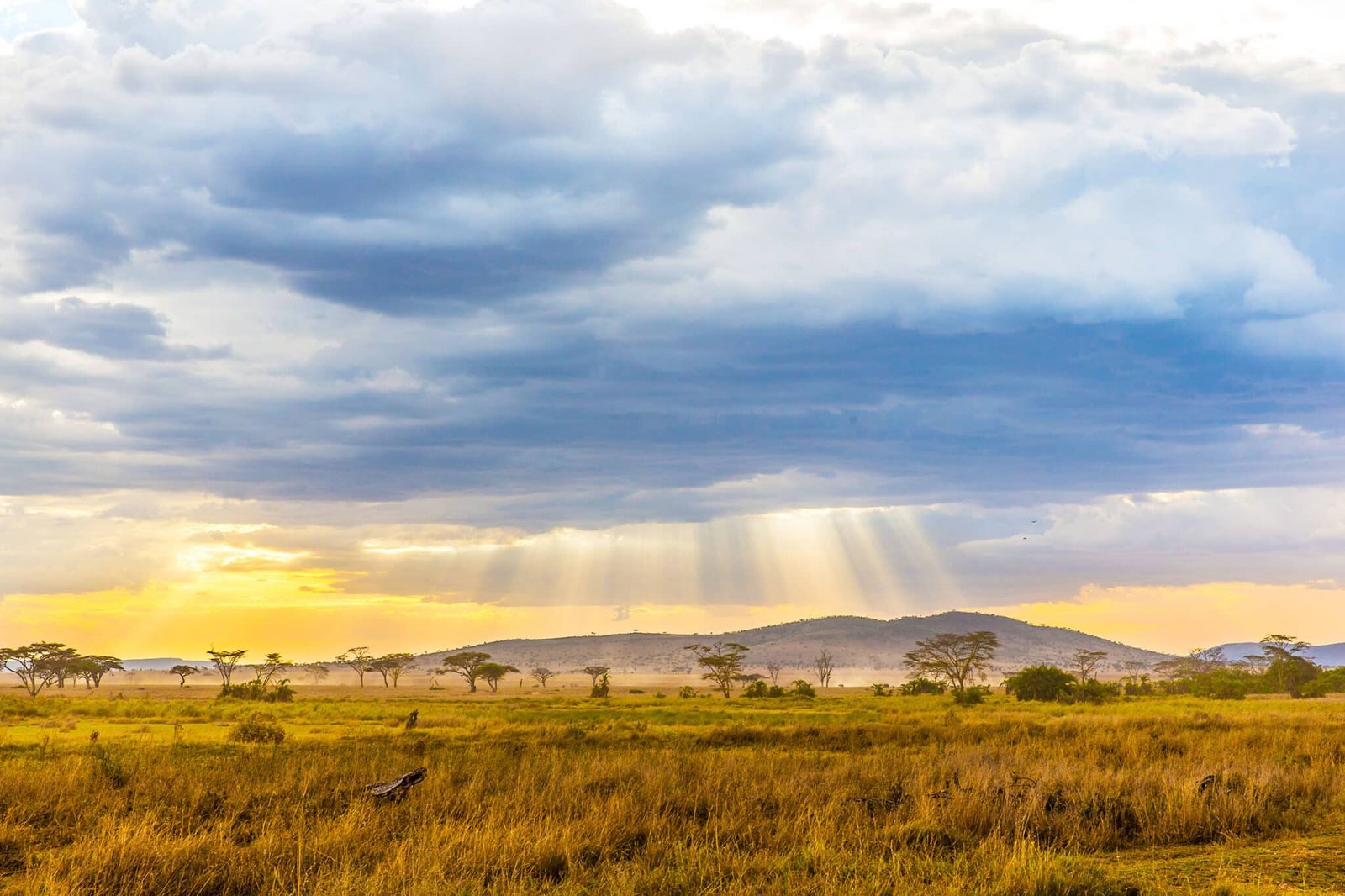
Serengeti National Park is one of Tanzania's most iconic wildlife destinations and one of the most important protected ecosystems in Africa. Located in northern Tanzania, the park covers an enormous landscape of open grasslands, acacia woodlands, rocky kopjes, seasonal rivers and permanent water sources. Its name is associated with the idea of "endless plains," which perfectly describes the vast horizons that visitors encounter during a safari. The Serengeti is also part of the larger Serengeti-Mara ecosystem, which extends toward Kenya's Maasai Mara. The park is internationally recognized as a UNESCO World Heritage Site for its exceptional wildlife and ecological importance.
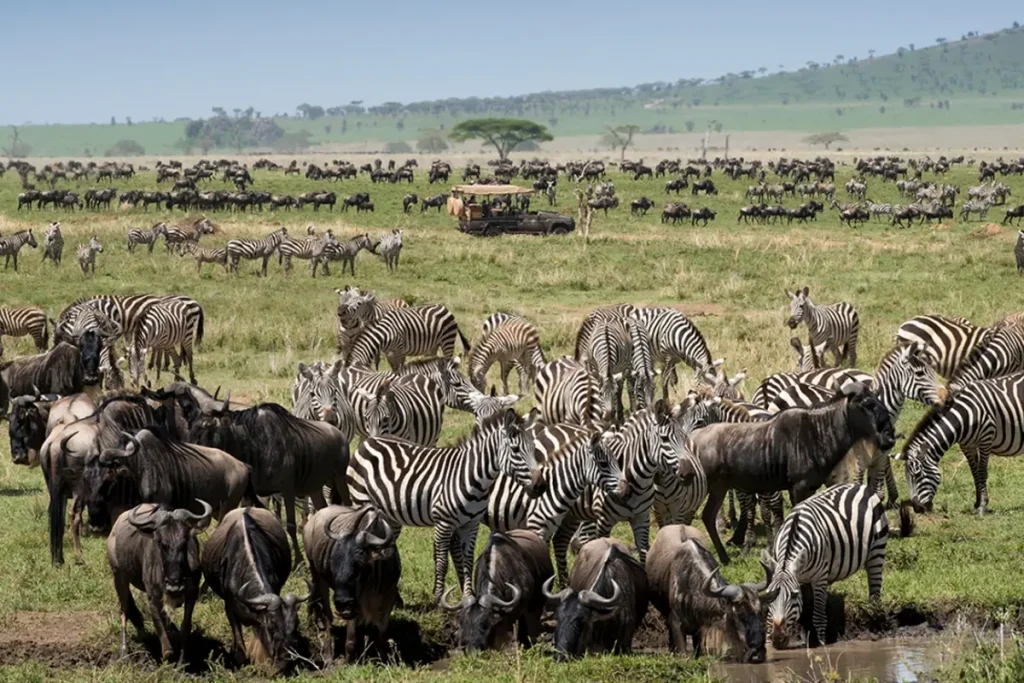
The Serengeti is best known for the Great Migration, when enormous herds of wildebeest, accompanied by zebra and gazelles, move through the ecosystem in response to rainfall, fresh grass and water. However, the migration is only one part of the Serengeti experience. Wildlife can be found throughout the year, including lions, leopards, cheetahs, elephants, buffaloes, giraffes, hippos, hyenas and numerous antelope species. This makes the Serengeti suitable not only for migration safaris but also for classic Big Five safaris, photography journeys, family holidays and luxury safari experiences.
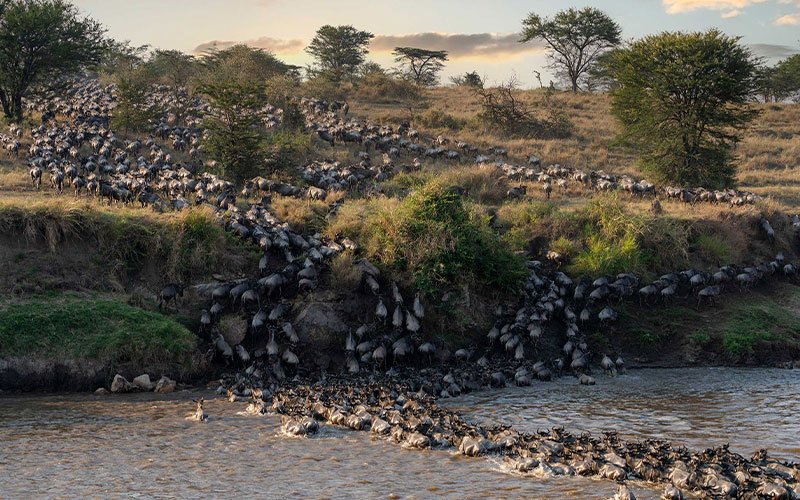
The Great Migration is one of the most remarkable wildlife movements on Earth. More than a million wildebeest move through the wider Serengeti ecosystem together with large numbers of zebra and gazelles. Their movement is not a fixed event that occurs in one location every year; rather, the animals follow seasonal rainfall and the availability of nutritious grass. This means that different parts of the Serengeti provide different experiences at different times of the year.
For travelers, the migration provides opportunities to observe huge herds moving across the plains, predators following the herds and, at certain times and locations, dramatic river-crossing behavior.
Central Serengeti, particularly the Seronera region, is an excellent area for general wildlife viewing. The combination of open plains, woodland and permanent water makes the region attractive to both herbivores and predators. Lions, leopards, cheetahs, elephants and giraffes are among the animals visitors may encounter.
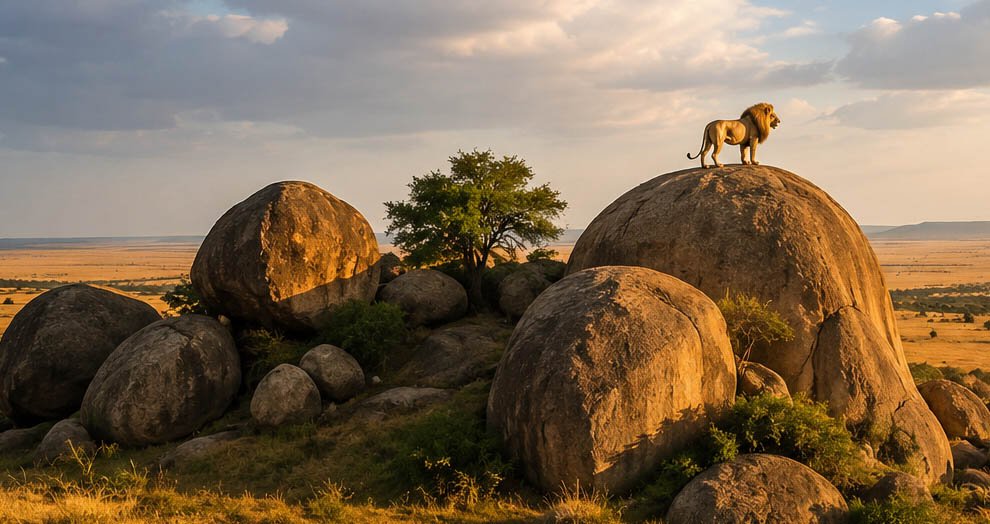
Scattered granite kopjes rise above the surrounding grasslands and provide some of the Serengeti's most distinctive scenery. These rocky formations are also important wildlife habitats. Lions may rest on the rocks, reptiles use the warm surfaces for basking, and the elevated positions provide excellent photographic viewpoints.
A Serengeti safari can be designed around different interests.
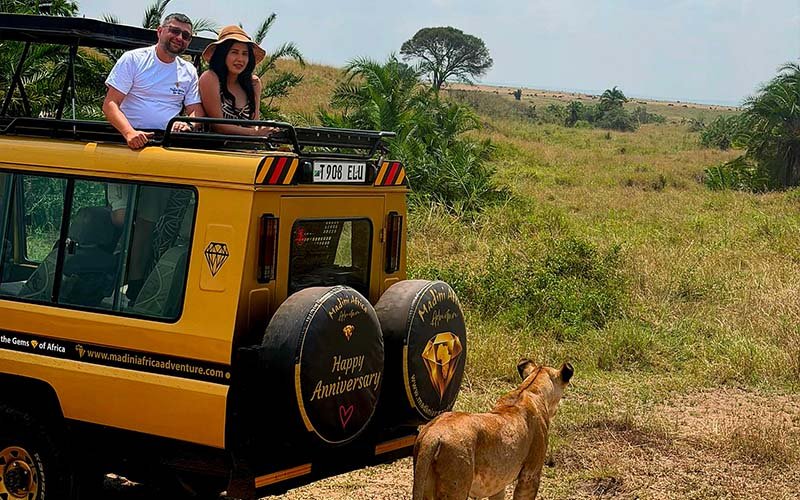
The principal activity, exploring different habitats with professional guides who interpret animal behavior and tracks.
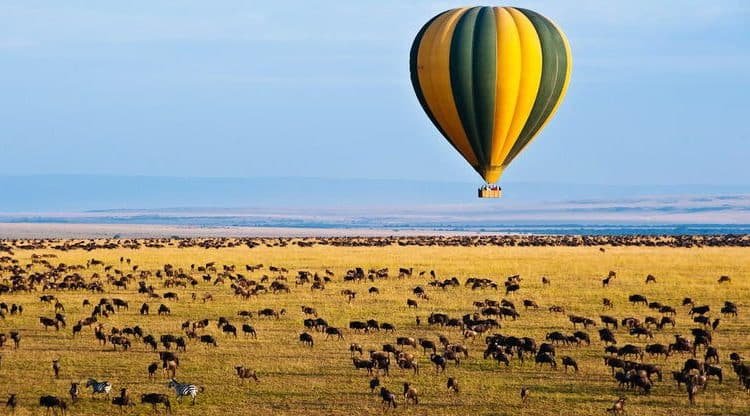
Fly quietly above the plains at sunrise, then return to ground level for a traditional bush breakfast.
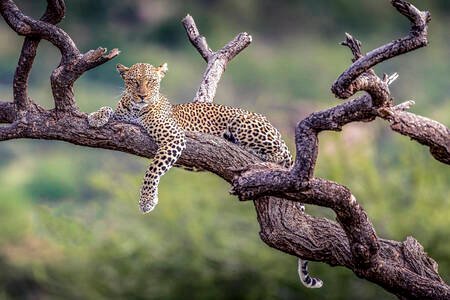
Wildlife, golden grasslands, dramatic skies and kopjes provide excellent light for photographers of any level.
Accommodation in Serengeti ranges from luxury lodges and permanent tented camps to seasonal mobile camps and traditional campsites. Luxury properties often provide spacious rooms or tents, private dining, panoramic views and personalized safari services, while mobile camps can place travelers closer to seasonal wildlife movements.
The best accommodation depends on the region and time of travel. Travelers planning a migration-focused safari should consider accommodation in the area where the herds are expected to be located, while travelers interested in general wildlife viewing have greater flexibility.
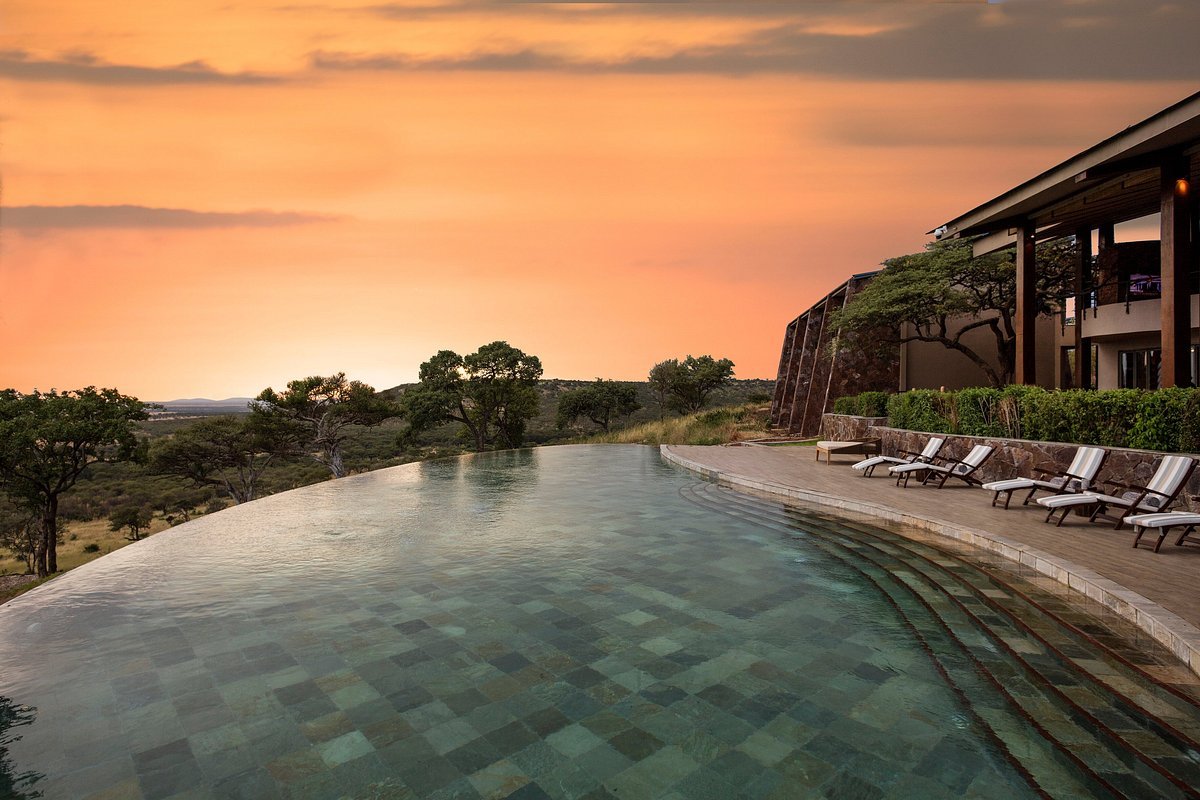
Serengeti is ideal for travelers who want to experience Tanzania's classic safari landscapes on a grand scale. It combines exceptional wildlife, huge open spaces and one of the world's most famous natural spectacles. Follow the rhythm of the wild across Tanzania's endless plains.
Plan Your Serengeti Safari