Africa's highest mountain and the world's highest free-standing mountain, rising through forest, moorland and alpine desert to a snow-capped summit.
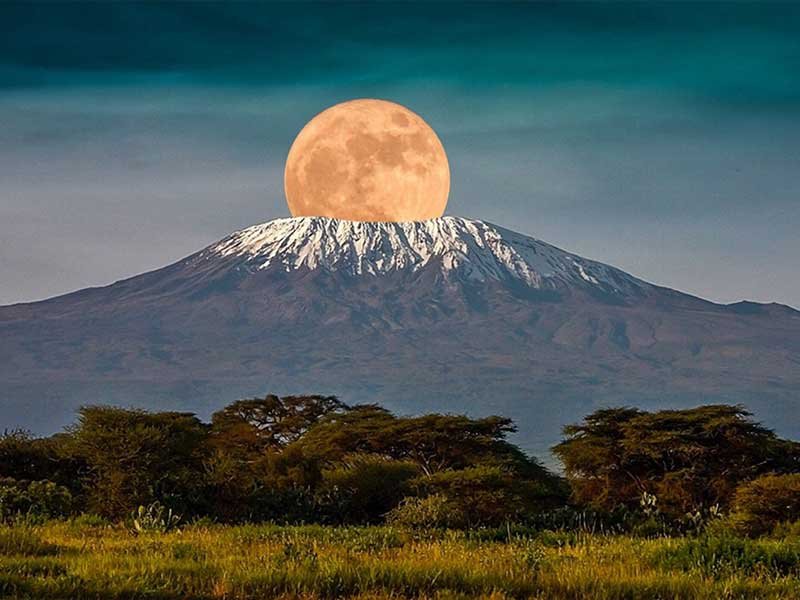
Mount Kilimanjaro is Africa's highest mountain, rising to 5,895 metres above sea level. It is also the world's highest free-standing mountain. The mountain consists of three volcanic formations: Kibo, Mawenzi and Shira. Kilimanjaro National Park protects the mountain and its surrounding ecosystems.
A Kilimanjaro trek is different from a traditional safari because the landscape changes dramatically as you climb. Lower slopes contain cultivated areas and montane forest, followed by moorland, alpine desert and the high-altitude summit environment.
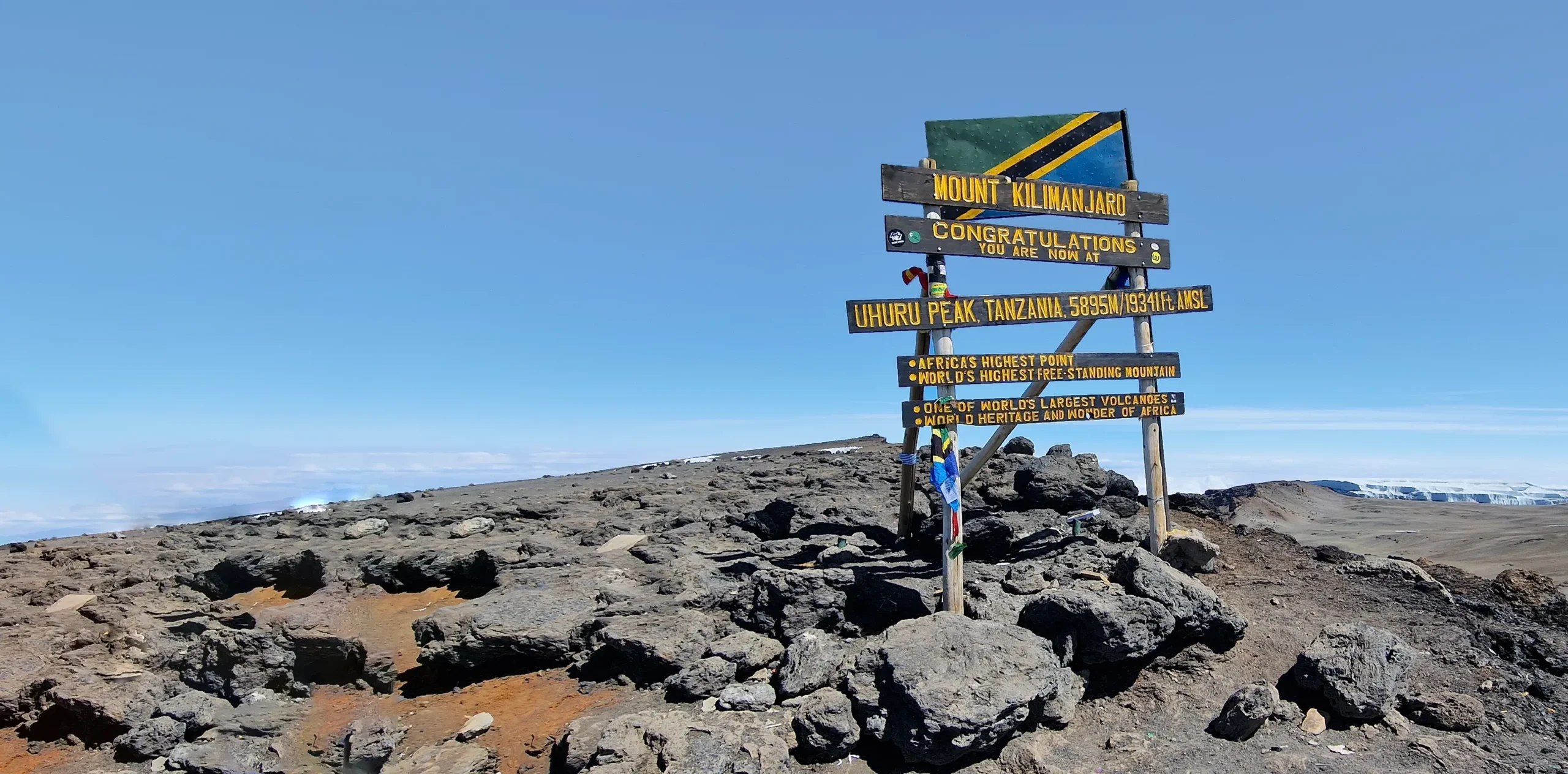
Uhuru Peak is the highest point on Kilimanjaro. Reaching the summit normally requires several days of trekking and careful acclimatization.
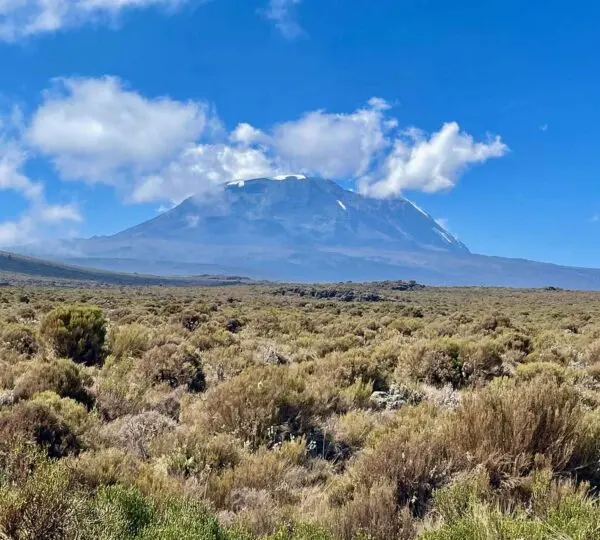
The Shira Plateau provides dramatic high-altitude scenery and broad views across the mountain.
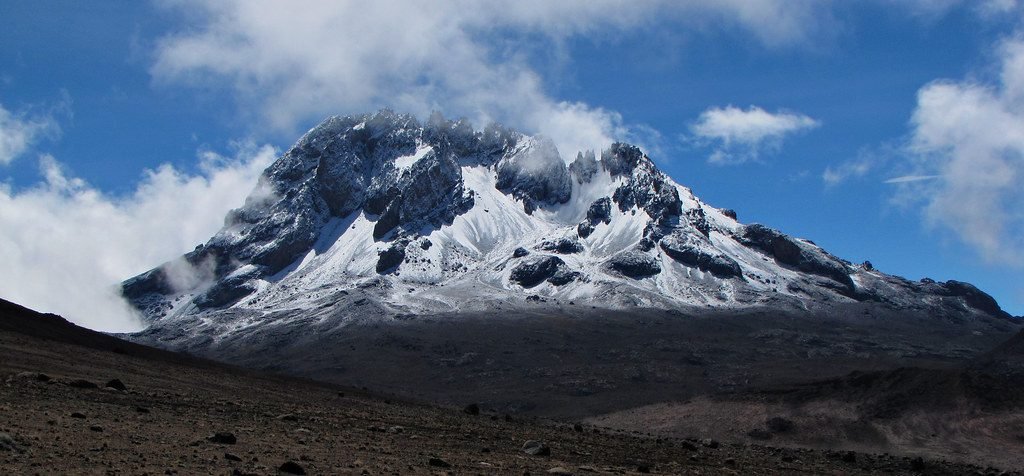
Mawenzi has a rugged appearance with steep ridges and volcanic formations, creating a striking contrast with Kibo.
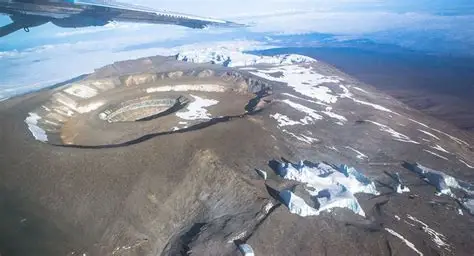
Kibo is the highest volcanic cone and contains the summit area, crater and ash pit.
Known as the "Coca-Cola" route, it is the only route with hut accommodation throughout. It approaches from the southeast and is often chosen for its more gradual early stages.
A popular and scenic route approaching from the south, using tented camps. It offers strong acclimatization profiles and varied scenery, including the Shira Plateau.
A longer, more remote route starting from the west, valued for its scenery and gradual ascent profile, which supports acclimatization.
Approaching from the north near the Kenyan border, this route tends to be quieter and drier, crossing different terrain than the southern routes.
A steep and direct route approaching from the south. It is shorter but more physically demanding, with less time for acclimatization.
The longest route on the mountain, circling around the northern slopes. Its extended length allows for excellent acclimatization and quieter trails.
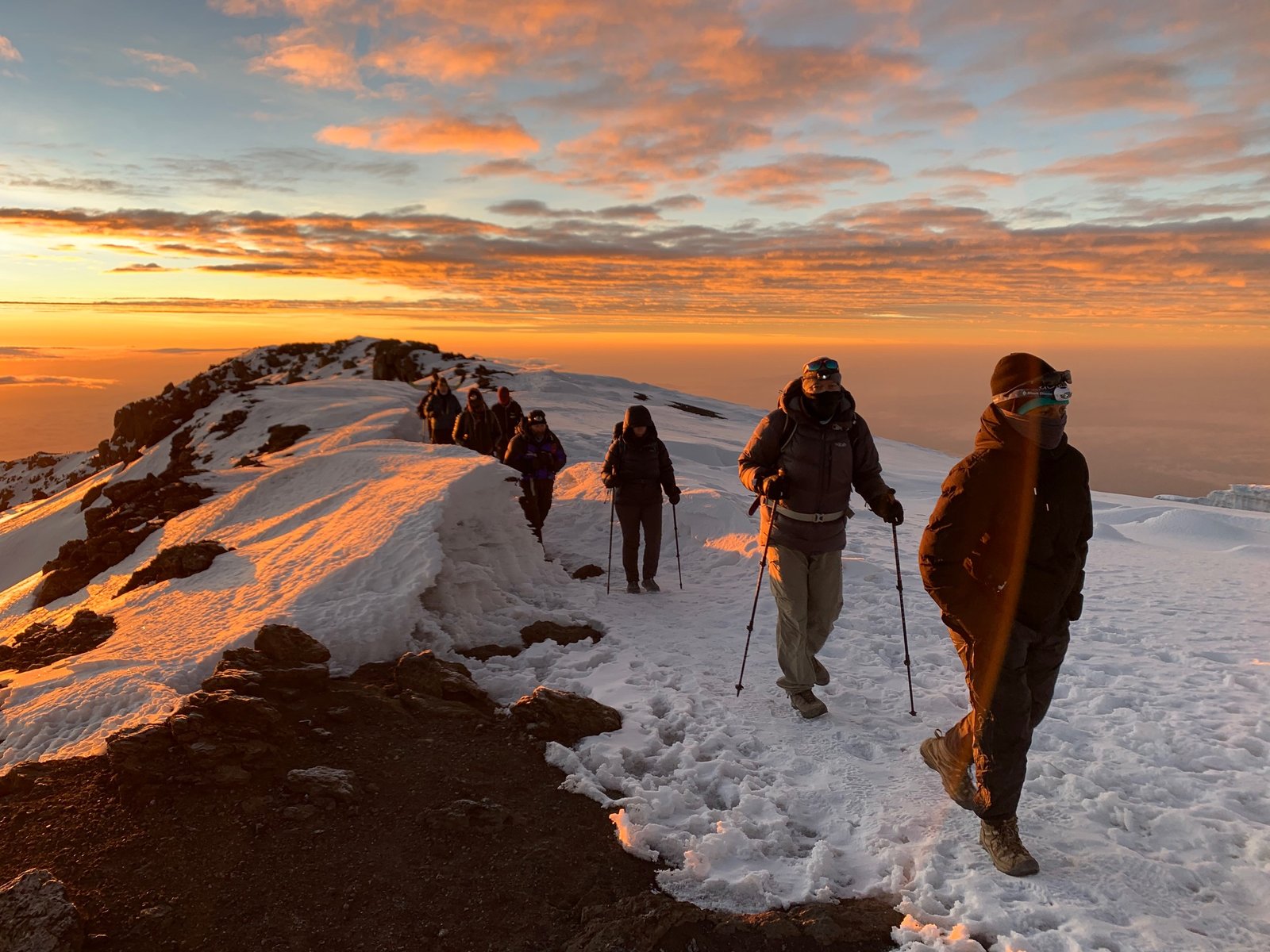
The primary experience is guided summit trekking. Routes differ in length, scenery, accommodation style and acclimatization profile. Climbing to Kibo generally takes several days depending on the route.
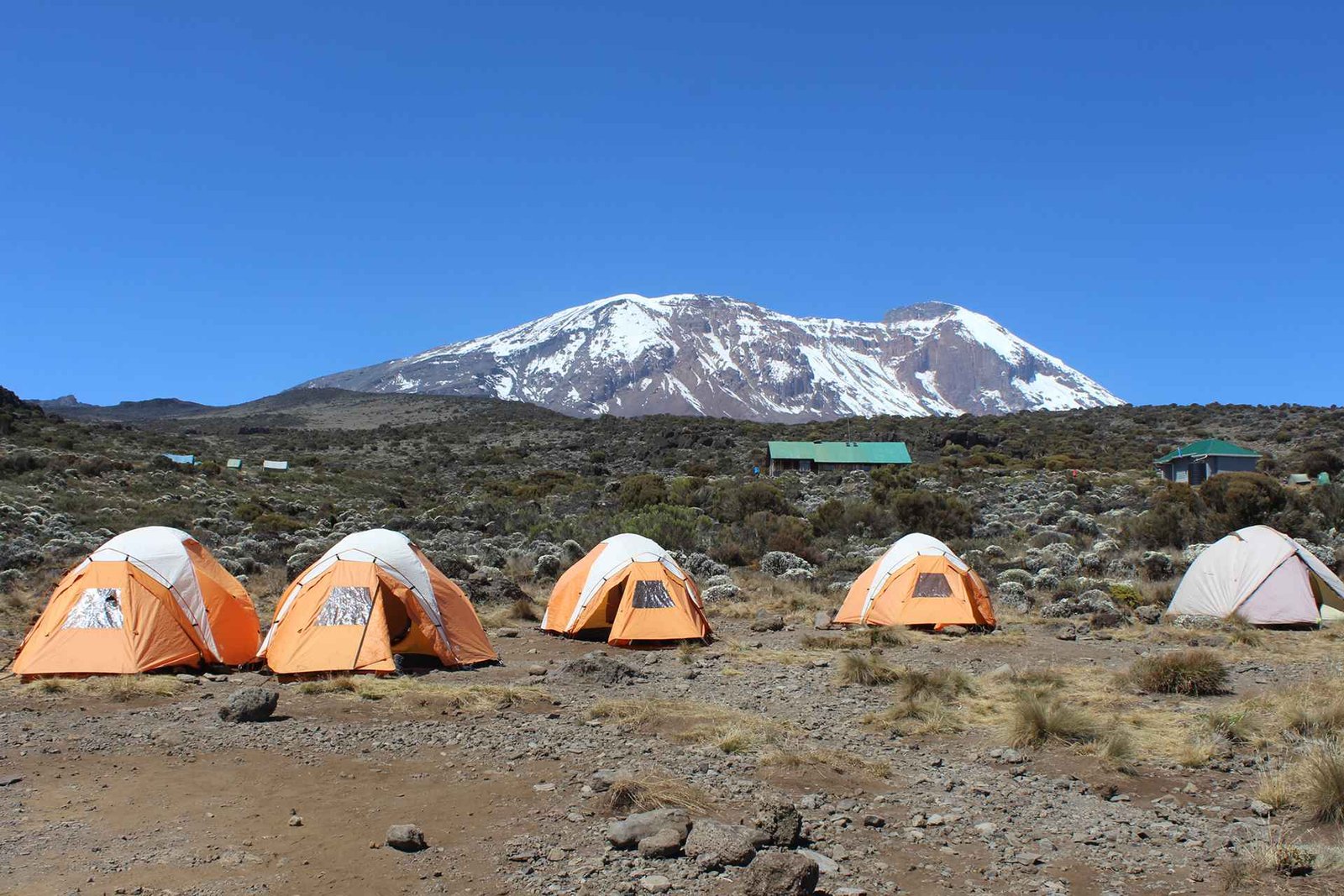
During a summit climb, accommodation depends on the route. Some routes use mountain huts while others use tents and mountain camps supported by trekking crews.
Before and after climbing, travelers can stay in hotels and lodges in Moshi or Arusha. Many safari companies combine Kilimanjaro trekking with a wildlife safari afterward.
Kilimanjaro provides an opportunity to experience several ecological zones in a single adventure. The sense of progression from tropical forest to high-altitude alpine landscapes makes the journey as important as reaching the summit.
It is ideal for adventure travelers, couples, groups and anyone looking for a memorable mountain experience in Tanzania.
Experience Kilimanjaro: Climb through changing landscapes and stand at the highest point in Africa.
Plan Your Kilimanjaro Climb